Wednesday, April 13, 2016

The Do’s and Don’ts of Feeding Deer This Winter

Supplemental Feeding Deer | The Right and Wrong Way to Feed Deer This Winter

Bone Collector is Powered by Stone Road Media
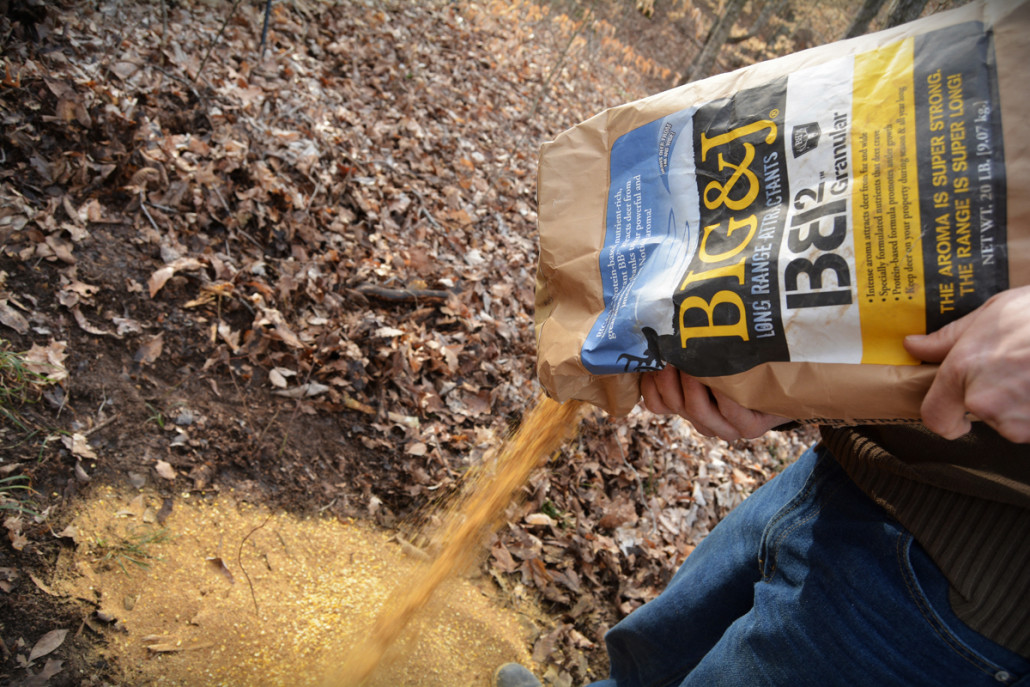

Old man winter has shown mercy this year, and both the deer and hunters are grateful! With that being said, we still have the rest of February and March to get through before “green life” returns to our neck of the woods. Once spring does arrive, turkey fans won’t be the only thing we see shoot up. Fresh protein rich food sources will also spring up, and once again flourish in the hardwoods and in our food plots. While the country is still in old man winter’s frozen grip, this spring green up is in sight and with it, the end of a 4 month long struggle for life. Deer are hurting right now, maybe not as bad as previous years, but don’t let the lack of snowfall fool you. It is this struggle that we hunters start to become concerned about this time of year and as a result, we naturally feel obligated to intervene. This intervention is often in the form of a bag of “deer corn”, and it could spell disaster for you. Feeding deer during the winter is not a subject to lightly dismiss as a “common sense subject”, there is a right way and a wrong and in some situations fatal way to do it. To understand every piece that is required before feeding deer during the winter, we first need to take a walk in the shoes of a whitetail.

Walk a Season in the Whitetail’s Shoes

Imagine if you will, you’re a hog of a buck, one of those southern Iowa whoppers we all know exist. Its late October your busy eating acorns and stacking up the energy and carbs before the rut, putting on the pounds of fat. You feel your testosterone rising and those little bucks are really pestering you. Once November rolls around your weight is at an astonishing 255 pounds! You’re having fun running does throughout the southern Iowa corn fields and hardwoods, occasionally locking one down in your favorite thicket. It’s all fun and games until that first snowflake falls, then it’s back to survival. Now let’s fast forward to late February, you now weigh 180 pounds, you have shed your antlers, your fat reserves are almost spent, there is no corn left in the fields, and the snow is a foot deep. You need energy and protein to repair your body condition after the long rut. The worst news is that your instincts understand new food isn’t coming anytime soon, and more winter is still likely to be had!

Why You Are Not Finding Sheds This Year

Shed Hunting | Top Mistakes Made by Shed Hunters

Bone Collector is Powered by Stone Road Media


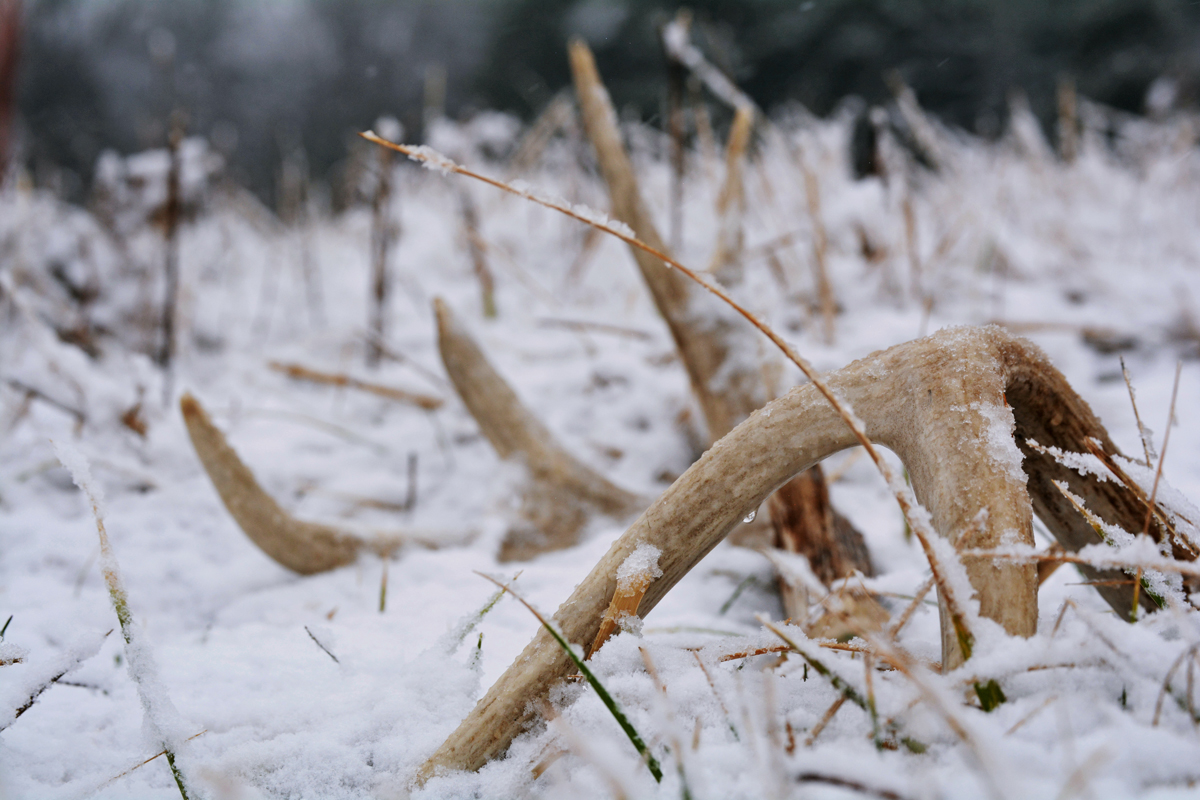
It has been a mild winter thus far. Sunny days and high temperatures have thawed out the deer woods, literally giving way to spring fever. The warm weather is tempting bored and restless whitetail hunters off the couches and into the woods. They are prospecting for white gold, priceless trophies to any outdoorsmen or women, but most will not find even a single shed. Why? We can give you 7 mistakes you are making while shed hunting, and tips to correct them.

Wrong time

The biggest mistake made by far is shed hunting at the wrong time. If you are not finding antlers chances are you are too late or too early. Eager hunters bust deer off the property before they drop their antlers and get discouraged early, keeping them out of the woods later, when the sheds are actually there to be found. Waiting to late is even worse. Trespassers or squirrels have beat you to the sheds. As much as you hate to hear it, trespassers can and will take advantage of the off season. Thinking you are most likely not on the property in the cold weather means a buffet…and it’s not just sheds. Trail cameras, stands, and sheds are all in danger. Waiting to late might also spell some damage on the sheds, as squirrels with gnaw on them within hours of the shed dropping. There is a lot to be considered and learned when it comes to when bucks drop their antlers. If your eager to learn the best time for shed hunting dive into our article on when whitetails shed antlers.

Shed Hunting Dogs | Man’s Best Friend Can Get Even Better

Shed Hunting | Shed Dog Training Tips

Powered by Stone Road Media


It’s that time of year again when the snow is starting to melt (at least on warmer days) and the winter seems like it’s closing up shop soon. Before you really make plans for spring food plots or morel mushroom hunting, there’s another deer hunting-related activity that’s probably at the forefront of your mind. Shed hunting!
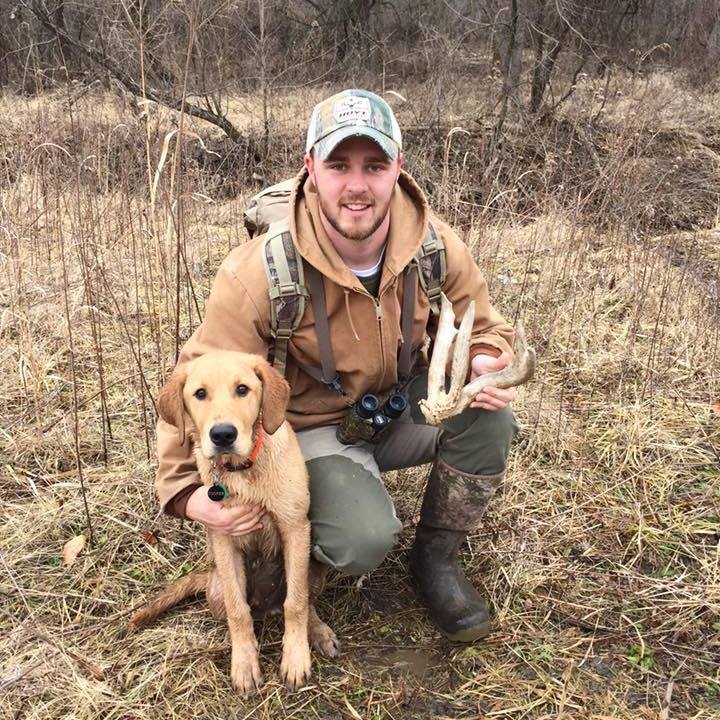
Some of us have many fond memories as a child of roaming the late winter woods with our fathers. On a pleasant sunny day, we would roam the forest following deer trails, and keeping our eyes peeled for sheds. It was mostly an excuse to get out of the house after a long winter. But there’s nothing quite like stumbling across a shed tucked halfway into the snow; its tines reflecting back the mid-morning sunlight. As a kid, you most likely played retriever for these shed hunts. But if you have a puppy that’s going to serve as future duck master, pheasant chaser, grouse flusher, or just plain old house pet, you can have a shed hunting dog with a little training.

What Type of Dog?

While you could technically train almost any obedient dog to be a shed hunter, some breeds will just learn the ropes a lot faster. Retrievers (e.g., Labradors, goldens, Chesapeake Bay’s, etc.), for instance, have deep instincts that help them perform very well for this task, which probably makes them the best breed. However, pointers, setters, and spaniels also learn very quickly and are very obedient dogs. If your pup is a hunting dog, it’s probably one of these breeds anyway.

How to Stay Busy in the Off Season

Deer and Turkey Hunting | 5 Rewarding Off Season To Do’s

Powered by Stone Road Media


Deer hunting season has sadly come to in many parts of the country. About a month or so after the season ends and after a little recuperation, honey do’s, and some much needed sleep deer hunters begin to get bored. This period can be hard on hunters as you are left asking, what should you do in the off season? The realization of winter setting in and the several months long gap before turkey season can have some feeling claustrophobic. Cabin fever is unforgiving! Fortunately, there is a long list of beneficial activities that can be done right now that are satisfying for the most season deer and turkey hunters. Here are a few to-do’s that benefit your deer and turkey hunting each and every year.

Scouting

The recent snow storms blasting the Midwest had doors sealed shut and heaters at full blast. With some amount of warm weather returning (at the moment) some post-season scouting is called for. Scouting in the snow is eye opening. You can tell exactly where the deer on your property walk, bed down at, browse on, and feed at. It has not been that long since the rut was in full swing, take note of the deer sign on the property. Rubs, scrapes, funnels, and beds are key to your deer hunting success on that property.
Getting boots on the ground and checking in on your best turkey hunting spots is also advantageous. While it’s still way too early to go out and scout for gobbling toms, you can learn the property’s terrain and identify where you think turkeys will roost, feed, as well as identify strut zones to take note of before spring.